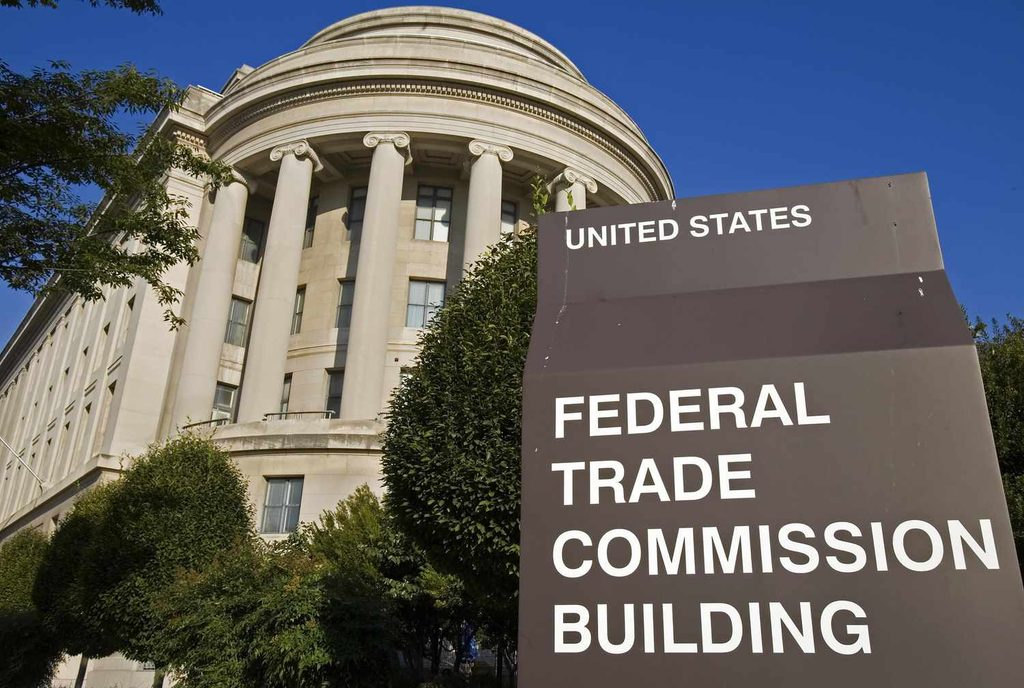
On August 31, 2026, the FTC and 22 state attorneys general filed suit against Amazon in federal court in Washington, alleging the company misrepresented how its Sponsored Products, Sponsored Brands and Sponsored Display auctions set prices. The complaint says Amazon told advertisers they were running a competitive “second price” auction while quietly running something closer to a first price one, and that the gap cost more than a million brands and sellers real money over the better part of a decade.
If you run ads on Amazon, the headline matters less than the mechanism the FTC says was underneath it. Here is what the complaint actually alleges, what Amazon says in response, and what (if anything) it should change about how you run your account this week.
The Auction Mechanic at the Center of the Case
A textbook second price auction is simple: you bid what the placement is worth to you, and if you win, you pay one cent more than the next highest bid, not your own number. That structure is supposed to reward honest bidding, because there is no incentive to shade your bid down.
The FTC’s complaint alleges Amazon didn’t actually run it that way. Instead, it says Amazon layered in a “soft reserve price” and what internal documents reportedly called an “invented auction participant,” a synthetic bid used to push what advertisers paid closer to their own maximum bid rather than the next real competitor’s. According to the complaint, the share of Sponsored Products auctions where an advertiser ended up paying their own winning bid climbed from roughly 30 to 40 percent in 2021 to about 70 percent in 2022 and close to 80 percent by 2024.
The FTC’s math on the total damage: “tens of billions of dollars” extracted from more than one million advertisers, including over 500,000 small and medium businesses, over roughly seven years.
Important note: none of this is proven. It is a filed complaint, not a finding of fact, and litigation like this typically runs for years before anything is resolved or settled.
Amazon’s Defense
Amazon’s official response calls the suit “misguided” and leans on a different set of numbers. The company says advertisers saved over $8 billion between 2021 and 2025 because of relevancy based ranking, that average winning bids actually fell 50 percent from 2019 to 2025, and that roughly 92 percent of placed ads were not the highest bid in their auction. Amazon also points out that cost per click stayed roughly flat in inflation adjusted terms from 2019 to 2024 while conversion rates rose 24 percent over 2021 to 2025, its argument being that the ad product got more efficient for advertisers over the same period the FTC says it got more expensive.
Both sides are citing real numbers pulled from the same underlying system. The disagreement is about what “second price” should have meant in a system this automated, and whether the reserve mechanism Amazon used was a legitimate quality floor or a hidden markup.
What This Means for Sellers and Advertisers
1. Nothing about your account changes today
There is no new setting to flip, no auction rule that takes effect this week. This is litigation, not a product update, and it will move at a legal pace, not an advertising one. Don’t restructure campaigns or pause spend in reaction to the headline alone.
2. It’s a good prompt to check your own “paying your own bid” rate
You can approximate this yourself using the gap between your set bid and your actual CPC in bulk operations or reporting exports. If your realized CPC is consistently landing at or near your max bid across a lot of keywords, that’s useful information regardless of how the lawsuit resolves: it tells you where you have less bidding headroom than the interface implies, and where a tighter bid cap or a shift toward automated bidding might actually change your economics.
3. Keep your own records
Whatever the eventual outcome, a documented, dated view of your bids, CPCs and spend by campaign is worth having on hand. If remedies or restitution processes ever materialize for affected advertisers, the sellers with clean historical exports will have an easier time than the ones reconstructing it after the fact.
4. Expect more scrutiny, eventually more transparency
Regulatory pressure like this tends to nudge platforms toward exposing more of the “why” behind an auction result, not less. It’s reasonable to expect Amazon Ads to add more auction transparency tooling over the next year or two as a byproduct of this case, even if the lawsuit itself takes far longer to resolve.
The lawsuit is a story about how Amazon priced the auction, not a reason to stop running ads on it. The more useful reaction is the boring one: pull your own numbers, understand your real bid-to-CPC gap, and keep an eye on the case rather than reacting to it.