Amazon just published an FAQ clarifying its June 2026 product title overhaul, the one that split listings into a 75-character Item name field and a 125-character Item highlights field. Over 984 million titles have already been updated since the change rolled out. The FAQ matters less for what it explains and more for what it reveals: Amazon started proactively recommending edits to non-compliant listings on July 27, 2026, and brand owners now have a 14-day clock to review them.
What Actually Changed
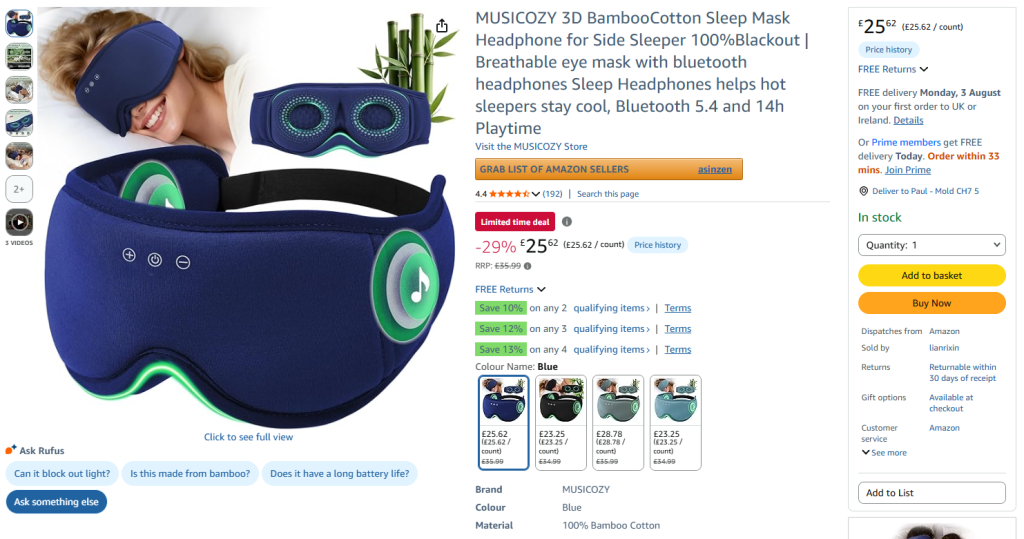
The 200 characters sellers used to cram into a single title field are now split in two. Item name (75 characters) is meant to carry the core product identity, brand, product type, key variating attributes like size or color. Item highlights (125 characters) is meant to carry supporting details. Starting August 10, 2026, both will display together on mobile and desktop, with highlights showing directly beneath the item name.
Amazon is explicit that this split doesn’t change discoverability: item name and item highlights are both search inputs, and neither is weighted over the other. So this isn’t a ranking play, it’s a listing-hygiene and display change.
The Part Sellers Should Actually Pay Attention To
Amazon isn’t just publishing guidance, it’s now generating AI-recommended edits directly on non-compliant listings and pushing them into the Review Listings Changes tool. Brand owners get 14 days to review, modify, or approve before those changes take effect. Listings stay live and searchable during that window regardless of whether they’ve been updated.
1. Check Review Listings Changes before the clock runs out
If Amazon has already flagged listings as non-compliant, AI-generated rewrites are sitting in that tool right now. Don’t assume a recommended edit is harmless just because Amazon generated it. Review each one against the actual product before the 14 days lapse.
2. Keep the brand name in Item name, not Item highlights
Amazon’s own best-practice guidance says brand should live in the 75-character item name field, with everything else distributed across both fields as space allows.
3. Protect the highest-value variating attributes first
Size, color, pack count, whatever actually differentiates the variation, should go in item name if the 75-character limit allows it. Anything that doesn’t fit gets pushed to item highlights, but the important attributes shouldn’t be the ones that get cut.
4. Use the Category Listings report for bulk cleanup
For catalogues with more than a handful of SKUs, the Category Listings report comes pre-populated with existing item highlights data next to item name, so both fields can be edited in one spreadsheet pass and re-uploaded through List Your Products. Amazon says updates typically process within eight hours.
Bottom Line
Nothing here changes how ad ranking or organic discoverability works, and Amazon is being upfront that listings remain live and editable regardless of when (or whether) sellers act. But the July 27 shift to AI-generated recommendations on non-compliant listings means there’s now a live 14-day review window sitting in seller accounts. Skipping that review isn’t neutral, it means accepting whatever Amazon’s model wrote for the product without a human checking it first.